
Top Waterproofing Products for Effective and Long-Lasting Protection
Discover the leading waterproofing solutions designed to prevent leaks and ensure durability across various surfaces and structures.
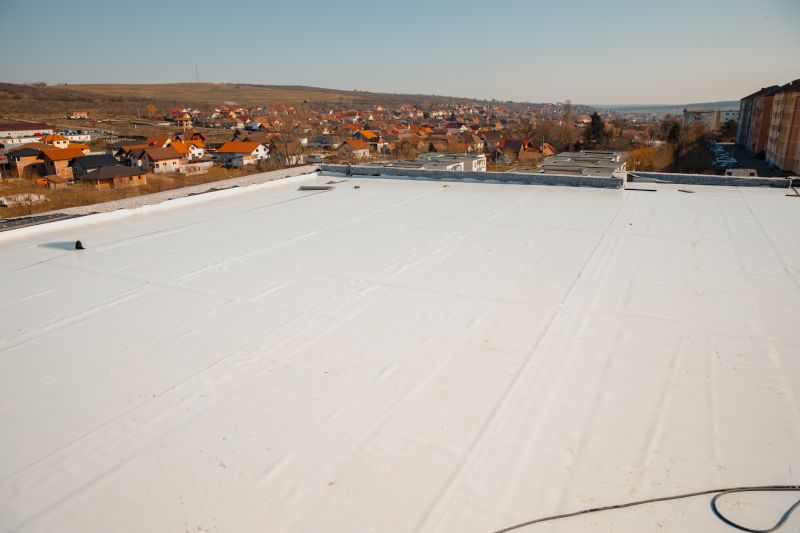 Waterproofing products play a crucial role in protecting structures, surfaces, and materials from water intrusion and damage. Whether you're working on a basement, roof, foundation, or outdoor surface, selecting the right waterproofing solution can help prevent leaks, mold growth, and structural deterioration. These products are designed to create a barrier against moisture, ensuring durability and longevity of your property. From liquid coatings to membranes and sealants, there is a wide array of options tailored to different needs and surfaces.
Top Overall Option
High-Performance Liquid Waterproof Coating
A versatile liquid waterproof coating that provides a flexible, seamless barrier suitable for various surfaces including concrete, wood, and metal. It is easy to apply with brushes or rollers and offers durable protection against water penetration. Ideal for both interior and exterior use, this coating is designed to adapt to surface movements and resist cracking over time.
Types of Products For Waterproofings
Liquid Rubber Coatings
Flexible, seamless coatings ideal for roofing, basements, and ponds, providing a waterproof barrier that adapts to surface movements.
Sheet Membranes
Pre-formed sheets made from rubber, bitumen, or plastic, used for foundation and roof waterproofing to create a durable barrier.
Bituminous Coatings
Asphalt-based coatings suitable for below-grade applications, offering resistance to water and moisture penetration.
Polyurethane Sealants
High-adhesion sealants used to seal joints, cracks, and gaps against water intrusion in various surfaces.
Acrylic Waterproof Coatings
Water-based coatings that provide a breathable waterproof layer, often used on roofs and walls.
Cementitious Waterproofing
Ready-mixed cement-based products applied to concrete and masonry surfaces for internal and external waterproofing.
Bitumen Sheets
Self-adhesive or torch-applied sheets used primarily on flat roofs and foundations for long-term waterproofing.
Hydrophobic Paints
Specialized paints that repel water, suitable for walls, fences, and exterior surfaces.
Sealant Tapes
Adhesive tapes designed to seal joints, seams, and cracks against water ingress in various applications.
Spray-On Waterproofing
Sprayable coatings that provide a quick and uniform waterproof layer on roofs, decks, and other surfaces.
Crystalline Waterproofing
Chemical admixtures or coatings that penetrate concrete to form crystals, blocking water pathways from within.
Waterproofing Paints
Coatings that create a water-resistant surface on walls and ceilings, often used indoors.
Pond Liners
Flexible membranes used to line ponds, fountains, and water features, preventing water seepage.
Waterproofing Tapes
Self-adhesive tapes for sealing joints, seams, and cracks in plumbing, roofing, and foundations.
Popular Choices
Widely used for their flexibility and ease of application, suitable for various surfaces.
Commonly chosen for foundation and roof applications due to their durability.
Popular for below-grade waterproofing, especially in basement walls and foundations.
Frequently used for sealing joints and cracks in construction projects.
Chosen for their breathable properties and ease of application on roofs and walls.
A common choice for internal waterproofing of concrete structures.
Popular for exterior walls to repel water and reduce moisture absorption.
Favored for quick application on large surfaces like roofs and decks.
Increasingly used in concrete structures where internal water blocking is desired.
Popular for sealing leaks and joints in plumbing and roofing applications.
Proper application and choosing the appropriate product type are essential for effective waterproofing. For example, liquid rubber coatings are popular for their flexibility and ease of application on irregular surfaces, while sheet membranes are often used for their robustness in foundation waterproofing. Sealants and caulks are ideal for sealing joints and cracks, preventing water ingress at vulnerable points. When considering waterproofing solutions, it is important to evaluate the specific requirements of your project, including the type of surface, exposure conditions, and budget.
In addition to the product type, factors such as ease of use, drying time, and compatibility with existing materials should influence your decision. Some waterproofing products are designed for interior use, providing protection against moisture vapor, while others are suited for exterior applications to withstand weather elements. Proper surface preparation and application techniques are vital to ensure optimal performance and longevity of the waterproofing layer. Consulting with professionals or thoroughly researching product specifications can help you make informed choices for your waterproofing needs in Saint Charles, IL.
Key Buying Considerations
- Surface compatibility: Ensure the product is suitable for the specific material you are waterproofing.
- Application method: Consider whether the product is applied by brush, roller, spray, or torch.
- Weather resistance: Choose a product designed to withstand local climate conditions, such as rain or UV exposure.
- Flexibility: For surfaces prone to movement, select coatings that remain flexible over time.
- Durability: Look for products with a proven resistance to cracking, peeling, and wear.
- Ease of application: Consider drying times, number of coats required, and surface preparation needs.
- Coverage area: Check the coverage per unit to estimate quantities needed for your project.
- Compatibility with existing materials: Ensure the product adheres well to surfaces like concrete, wood, or metal.
- Environmental conditions: Determine if the product is suitable for interior, exterior, or submerged applications.
- Budget considerations: Balance cost with the expected lifespan and performance of the waterproofing solution.
- Safety and handling: Review safety instructions and required protective equipment during application.
- Maintenance requirements: Consider how easy it is to inspect and reapply the product if necessary.
- Longevity and warranty: Research the expected lifespan and any manufacturer guarantees.
- Vapor permeability: Decide if breathability is necessary for your specific application.
- Compatibility with other treatments: Ensure it does not interfere with other coatings or finishes planned for the surface.
This content contains affiliate links. We may earn a commission if you purchase through these links, at no additional cost to you.